• Skip to primary navigation
  • Skip to main content
  • Skip to primary sidebar
  • Skip to footer

Sino Machinery Industries

  • Home
  • About Us
  • Industries We Serve
    • SMI Products Overview
      • SMI Special Steel Products 01
      • SMI Special Steel Products 02
      • SMI Metal Recycling
      • NDT (Non Destructive Testing) service
  • Capabilities
    • Truck & Trailer Parts
      • R-Series weight distribution hitch with sway control system
      • G-Series weight distribution hitch
    • Cement Machinery Wear Parts
      • Casting Balls & Grinding Balls
    • Mining Machinery Wear Parts
      • Cone Crusher Parts
      • Jaw Crusher Parts
      • Screener Wear Parts
      • Impact Crusher Parts
    • Aluminum Industry
      • Aluminum Dross Press
      • Aluminum Dross Cooling Pan
      • Alloy Steel Sow Mold
      • Aluminum Dross Skim Blades and Skim Tools
      • Aluminum Furnace Skimming Tool or Skim blades used for Stirring and Mixing
      • Dross Press & Dross Processing
      • Application of Intelligent Ladle Slag Scraper (Skimming Tools) in steel mills and aluminum mills
      • Transmission Parts
      • The correct combination of the press head and the dross pan
      • 7-9kgs Small Standard Ingot Molds | Moldes de lingotes estándar pequeños de 7-9kgs
      • Comparison between Sow Molds and Ingot Molds
      • Aluminum Dross Transport Equipment
      • Aluminum Dross Recycling Systems
      • Aluminum, Magnesium, Brass, Bronze, Lead, Zinc Ingot Molds
      • Anode steel claw (Electrolytic claw) | Garra de acero del ánodo (garra electrolítica)
      • Anode Steel Yoke
  • eNews
  • Ethics & NDA
  • CSR
  • Contact Us
You are here: Home / Archives for aluminium dross

aluminium dross

January 10, 2025 By Sen Liang Leave a Comment

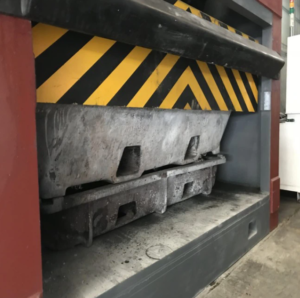
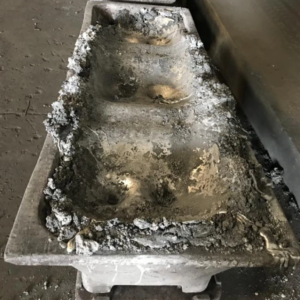
Dross Stir Blades and Dross Skim Blades (Dross Skim Tools)

Dross Skim Blades and Dross Skim Tools

Dross skim blades (Dross Skimming Tools) are often the headaches in the casthouse operation because of the usual short life expectancy. SMI specially designed skim blades, made out of our proprietary material, usually last substantially longer than the traditional ones. Show us your reverberatory furnace and the skim blade handling equipment, we will offer you our skim blades to fit for your application for longer service life.

Dross skim tools including the following series:
CAST STIR BLADE series, CAST SKIM BLADE series, CAST LOCK PINs, NUTs and SCREWs. Let us know your production environment and we will tell you how to choose dross stir blade, how to choose skim blade and the appendages.

Las cuchillas de escoria (Dross Skimming Tools) son a menudo los dolores de cabeza en la operación de la fundición debido a la corta esperanza de vida habitual. Las cuchillas desnatadas especialmente diseñadas por SMI, hechas de nuestro material patentado, suelen durar mucho más que las tradicionales. Muéstrenos su horno de reverbero y el equipo de manejo de cuchillas desnatadas, le ofreceremos nuestras cuchillas desnatadas que se adaptan a su aplicación para una vida útil más larga.

Οι λεπίδες Dross skim (Dross Skimming Tools) είναι συχνά οι πονοκέφαλοι στη λειτουργία του χυτοστασίου λόγω του συνηθισμένου μικρού προσδόκιμου ζωής. Οι ειδικά σχεδιασμένες λεπίδες αποκορύφωσης SMI, κατασκευασμένες από ιδιόκτητο υλικό μας, συνήθως διαρκούν σημαντικά περισσότερο από τις παραδοσιακές. Δείξτε μας τον κλίβανο αντήχησης και τον εξοπλισμό χειρισμού λεπίδων αποκορύφωσης, θα σας προσφέρουμε τις λεπίδες αποκορύφωσης που ταιριάζουν στην εφαρμογή σας για μεγαλύτερη διάρκεια ζωής.
Share this:

  • Share on LinkedIn (Opens in new window) LinkedIn
  • Share on Pinterest (Opens in new window) Pinterest
  • Share on Facebook (Opens in new window) Facebook
  • Share on X (Opens in new window) X
  • Share on WhatsApp (Opens in new window) WhatsApp
  • Share on Reddit (Opens in new window) Reddit
  • Share on Tumblr (Opens in new window) Tumblr
  • Share on Telegram (Opens in new window) Telegram
  • Email a link to a friend (Opens in new window) Email

Filed Under: Furnace Tools & Accessories Tagged With: aluminium dross, dross skim blades, dross stir blades, furnace tools, skimming tools

February 1, 2024 By Sen Liang Leave a Comment

Aluminum Dross Press

Aluminum Dross Press — In-House Dross Recovery Systems for Aluminum Casthouses

An aluminum dross press is the most effective method for recovering free metal from hot aluminum dross at the point of generation — before oxidation converts recoverable aluminum into oxide waste. By combining hydraulic compaction with forced cooling in a single automated cycle, a correctly specified dross press system typically achieves 20–35% in-house metal recovery, depending on operational conditions at the casthouse.

SMI designs, manufactures and commissions aluminum dross press systems as a complete supply — from the press frame and hydraulic unit through to the dross press cooling head, dross pan set and control system. Developed with over 30 years of experience in the aluminum recycling industry, SMI delivers dross press systems as engineered solutions matched to each customer’s furnace type, dross generation rate and casthouse configuration.

Aluminum Dross Press of Aluminum Dross Recovery

Why In-House Dross Processing Matters

Hot aluminum dross leaving the furnace still contains significant free metal — the exact proportion depending on furnace type, alloy, operating practice and how quickly the dross is handled after skimming. Without on-site pressing, dross is typically cooled slowly in open pans, allowing continued oxidation and thermiting that converts recoverable aluminum into aluminum oxide. This represents a direct and measurable production loss on every cast.

Sending unpressed dross to an external recycler recovers some of that metal, but at a fraction of its in-house value and with significant commercial and logistical dependencies. In-house pressing recovers the metal immediately, at full in-house value, and gives the operation direct control over its dross processing output.

Actual recovery rates in practice depend on several operational factors: the free metal content of the dross at skimming, the time elapsed between skimming and pressing, the distance from furnace to press, insulation conditions during transfer, and the condition of the pan-and-head set. The global average in-house aluminum recovery from dross processing is approximately 33% — SMI systems are designed to optimise all controllable variables within this range.


SMI Dross Press — Three Model Sizes

SMI supplies three standard dross press models, sized to match different furnace capacities and dross generation rates. All three models share the same engineering platform — hydraulic system architecture, control system, cooling head technology and dross pan design — with press capacity scaled to the installation requirement.

Model Single-Cycle Dross Capacity Typical Application
SMI40 250–300 kg per pressing cycle Smaller melting and casting facilities, secondary smelters, foundries
SMI60 450–500 kg per pressing cycle Medium-capacity primary and secondary smelters, recycling plants
SMI80 600–700 kg per pressing cycle High-volume primary smelters, large secondary operations

Custom configurations outside these standard ranges are available on request. Press capacity selection, pan geometry and cooling head specification are confirmed by SMI application engineers based on a review of the customer’s furnace type, dross generation rate and casthouse layout.


How the SMI Dross Press System Works

The SMI dross press operates on a fully automated, programmable cycle integrated with the casthouse workflow:

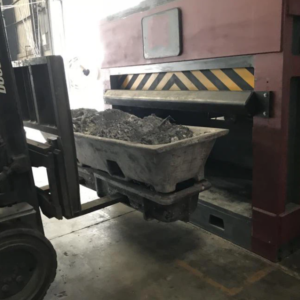
  • Hot dross is skimmed from the furnace and transferred directly to the dross pan — minimising the time between skimming and pressing is critical to maximising recovery
  • The loaded dross pan is positioned in the dross press box
  • The hydraulic cylinder drives the cooling head down into the dross box, compacting the dross under controlled pressure
  • The integrated cooling system activates simultaneously, extracting heat rapidly through the cooling head and arresting oxidation
  • The dross consolidates into a dense aluminum block with significantly reduced oxide content
  • The head retracts, the cycle completes, and the press is ready for the next pan

No manual intervention is required during the press cycle. Cycle parameters — pressure, hold time, cooling duration — are set to match the dross type and production rate of the specific installation. The automated operation reduces operator exposure to radiant heat and fume, and eliminates the skill variability associated with manual dross handling.


System Components and Specifications

Press Frame and Hydraulic System

The press frame is engineered for the compaction forces and thermal environment of continuous casthouse operation. The complete machine weight is approximately 15 tonnes. The hydraulic system is sized to the press capacity requirement and supplied as an integrated part of the press package.

SMI specifies hydraulic and electrical components from established global industrial suppliers as standard — pumps and valves from Rexroth, additional valves from SUN, filtration from HYDAC, and drive motors from Siemens. Alternative brands are available as specified by the customer. Component brand selection affects price, local serviceability, warranty terms and spare parts availability — SMI application engineers will advise on the most practical specification for each market and installation. In the event of on-site replacement, locally available motors and components of equivalent power and performance specification are fully compatible.

Dross Press Cooling Head

The dross press cooling head is the core performance component of the system. It delivers the compaction force and simultaneously extracts heat through an integrated forced-cooling circuit cast directly into the head body. SMI cooling heads are manufactured from the proprietary SMI ATM series anti-thermal-shock castable and are available in cooled and uncooled configurations across all geometries. The cooling head and dross pan are designed as a matched set to optimise seal geometry and heat transfer performance.

Dross Pan Set

The dross pan is the containment and transfer vessel for hot dross from furnace to press. SMI dross pans are cast from proprietary alloy steel formulations developed to resist the thermiting action and thermal shock of continuous hot dross service. Pan geometry is matched to the cooling head profile to ensure correct sealing under press pressure. Dross pan sets and press heads are manufactured and supplied to exact customer requirements for any dross press configuration.

Control and Automation System

The control system manages the full press cycle — hydraulic actuation, cooling circuit activation, pressure hold, cycle timing and head retraction — through a programmable controller. The system is designed for straightforward day-to-day operation and maintenance, with alarm and monitoring functions as standard. Remote monitoring capability is available as part of the control package.


System Design Considerations

SMI dross press system design takes into account the full operational context of each installation:

  • Furnace configuration — type, capacity and number of furnaces to be served
  • Material handling — forklift capacity, pan transfer method, casthouse layout and access
  • Dross characteristics — type, generation rate, free metal content and temperature at skimming
  • Utility supply — hydraulic, cooling water and electrical specifications
  • Recovery objectives — on-site recovery targets and downstream processing requirements

The goal of the design process is a system that maximises recovery both on-site and at any downstream secondary processor, within the operational and physical constraints of the specific casthouse.


Upgrade and Retrofit Supply

For operations with existing dross press installations, SMI provides upgrade and retrofit supply across the consumable and component range. If the press frame is serviceable but recovery performance has declined — due to worn cooling heads, degraded dross pans or control system limitations — SMI can supply replacement components without requiring full press replacement.

SMI cooling heads can be adapted to work with third-party press frames. Because hydraulic output, control parameters and commissioning requirements vary between press manufacturers, SMI conducts a technical review of the existing press specifications before confirming the adaptation scope. The full delivery scope — engineering review, component manufacture, on-site installation and commissioning — is available as a single-source engagement.


Delivery and Service

Parameter Details
Lead time Approximately 6~10 weeks from order confirmation
Shipping Ocean freight, 1 x 40HD container
Delivery terms DDP available; other Incoterms on request
On-site service Installation and commissioning support available
Spare parts Replacement cooling heads, dross pans and hydraulic components held in stock

Global Supply and Service

SMI has been supplying aluminum recycling systems and casthouse consumables since 1996, with over 30 years of manufacturing and export experience across legal entities in mainland China, Hong Kong, Southeast Asia, Europe and the United States. Annual mechanical product output exceeds 4,000 metric tons.

SMI dross press systems and casthouse consumables are in active service at primary aluminum smelters across the Middle East, Europe, India, North America and Asia-Pacific, including multiple operations within the world’s highest-output primary aluminum production groups. All supply relationships are subject to confidentiality agreements. Reference accounts are available to qualified buyers under appropriate confidentiality terms.


Application Sectors

  • Primary aluminum smelters
  • Secondary aluminum smelters and refineries
  • Aluminum rod, billet and bar plants
  • Metal recycling and non-ferrous scrap processing plants
  • Aluminum die casting and foundry operations
  • Magnesium and other non-ferrous metal recovery operations

Related Products — Complete Dross Management from SMI

  • Dross Press Cooling Head — cooled and uncooled variants, all geometries, matched to pan set
  • Dross Press Equipment Overview — system configurations, capacity planning and upgrade options
  • Dross Skim Pans and Sow Molds — pan-and-head matched sets, proprietary alloy steel
  • Aluminum Dross Cooling Pan — rapid salt cake cooling post-press
  • Dross Skim Blades and Casthouse Skimming Tools
  • Aluminum Dross Recycling Systems — full downstream processing: stirrer, cooler, crusher, screening and dust collection
  • Alloy Steel Sow Molds
  • Alloy Steel Ingot Molds, Sow Molds and Dross Pans for Aluminum Scrap Recycling

Request a System Quotation or Technical Consultation

To specify the correct dross press system for your operation, please provide the following at enquiry stage:

  • Furnace type and number of furnaces to be served
  • Estimated dross generation rate — tonnes per shift or pans per hour
  • Dross type: primary / secondary / rotary / other
  • Existing dross handling equipment — press frame, pan set, cooling system if applicable
  • Available utilities: hydraulic supply, cooling water, electrical specification
  • Casthouse layout drawing or dimensional constraints if available

SMI will respond with a written system recommendation and commercial proposal. Contact SMI — Aluminum Dross Press Enquiry →

Share this:

  • Share on LinkedIn (Opens in new window) LinkedIn
  • Share on Pinterest (Opens in new window) Pinterest
  • Share on Facebook (Opens in new window) Facebook
  • Share on X (Opens in new window) X
  • Share on WhatsApp (Opens in new window) WhatsApp
  • Share on Reddit (Opens in new window) Reddit
  • Share on Tumblr (Opens in new window) Tumblr
  • Share on Telegram (Opens in new window) Telegram
  • Email a link to a friend (Opens in new window) Email

Filed Under: Dross Management Tagged With: aluminium dross, Dross Press, dross processing equipment, metal recovery, secondary smelter

January 9, 2024 By Sen Liang Leave a Comment

Aluminum Dross Skim Blades and Skim Tools

Aluminum Dross Skim Blades

Aluminum dross skim blades (skim tools) is a management tool for aluminum dross in smelting furnace, and skim blade is used to remove or skim the dross layer on the surface of the furnace melt to help obtain better aluminum. SMI’s skim blades are made of our own developed corrosion-resistant, wear-resistant materials and can be used in various vehicles such as wheel loaders and forklifts.
It is composed of scraper rod and scraper plate, only need to replace the scraper plate
Increase of service life, Reduced downtime, Cost saving

One end of the skim blades (skim tools) is connected to a long rod that is resistant to high temperature and corrosion by means of a fixing bolt, and the other end is fixed to the forklift. Can move with the telescopic arm before and after, left and right, up and down, so that the aluminum dross more uniform heat distribution and melting, and stirring with skim blades can also help improve the performance of cleaning fluxes by dispersing them more evenly in the melt, helping to produce the best grades of aluminum, It is a skimmer blade and agitator designed for aluminum smelting furnaces.

Specification Of Aluminum Dross Skim Blades and Skim Tools:
Material: SMI anti-thermal shock proprietary material for cast-house consumables
Application: Aluminum recycling, Aluminum smelters, Metal Recycling plants, non-ferrous metals recycling plants, Aluminum bar producers, Primary Aluminum producers, Secondary Aluminum producers, Aluminum refineries etc.

Share this:

  • Share on LinkedIn (Opens in new window) LinkedIn
  • Share on Pinterest (Opens in new window) Pinterest
  • Share on Facebook (Opens in new window) Facebook
  • Share on X (Opens in new window) X
  • Share on WhatsApp (Opens in new window) WhatsApp
  • Share on Reddit (Opens in new window) Reddit
  • Share on Tumblr (Opens in new window) Tumblr
  • Share on Telegram (Opens in new window) Telegram
  • Email a link to a friend (Opens in new window) Email

Filed Under: Furnace Tools & Accessories Tagged With: aluminium dross, dross tools, furnace accessories, skim blades, skimming tools

October 25, 2023 By Coffy Leave a Comment

The correct combination of the press head and the dross pan

Press Head and Dross Pan — Matched Configuration for Aluminum Dross Recovery

English

The correct matching of the press head and the dross pan is fundamental to the performance of any aluminum dross press system. The two components function as an integrated unit — the press head must seat correctly against the dross pan walls to ensure rapid discharge of hot dross, maintain an effective thermal seal under hydraulic pressure, and transfer heat efficiently through the cooling circuit. A mismatched or worn combination degrades recovery performance continuously and progressively, often without visible indication until a direct measurement is taken.

SMI supplies press heads and dross pan sets in a wide range of designs, sizes and cross-sectional geometries — circular, rectangular and custom profiles — engineered for optimal internal aluminum recovery and rapid cooling of aluminum dross and rotary furnace slag. Press heads and dross pans are designed and supplied as matched sets wherever possible; this is the configuration that produces the maximum achievable recovery rate for a given installation.

Rapid Cooling Through Effective Heat Transfer

The speed of heat extraction through the press head directly determines how much free metal is recovered before oxidation progresses. SMI press heads incorporate an efficient heat transfer system — with cooled variants featuring an integrated forced-cooling circuit cast directly into the head body — that significantly reduces dross cooling time and fume generation during the pressing cycle. Faster cooling means less oxidation, denser aluminum blocks, and more recoverable metal per pressing cycle.

Effective heat transfer also extends the service life of the press head itself. By reducing the thermal load sustained by the head material during each cycle, a correctly functioning cooling system slows the degradation of the mating face geometry — maintaining the quality of the head-to-pan seal over a longer service period and reducing replacement frequency.

Compatibility Across All Dross Types

Each dross type behaves differently under compression. The correct press head geometry, cooling configuration and material specification depends on the dross type being processed. SMI press heads are engineered and validated for the full range of industrially relevant dross and slag types:

  • Dry dross — primary smelter, low oxide content, high free metal fraction
  • Wet dross — holding furnace, alloying additions, variable metal content
  • Black dross — salt-flux secondary smelting, elevated chloride content
  • White dross — secondary smelter pre-treated, lower free metal content
  • Salt dross — rotary furnace with salt flux
  • Rotary furnace slag — high temperature, variable composition

SMI application engineers will confirm the correct press head and dross pan configuration for your specific dross type and press system before order placement. The press head and dross pan combination is always specified and supplied as part of a complete dross management solution.


Español

La correcta configuración del cabezal de prensa y la bandeja de escoria (dross pan) es fundamental para el rendimiento de cualquier sistema de prensa de escoria de aluminio. Ambos componentes funcionan como una unidad integrada — el cabezal de prensa debe asentar correctamente contra las paredes de la bandeja de escoria para garantizar la descarga rápida de la escoria caliente, mantener un sello térmico eficaz bajo presión hidráulica y transferir el calor eficientemente a través del circuito de enfriamiento. Una combinación mal ajustada o desgastada degrada el rendimiento de recuperación de forma continua y progresiva, con frecuencia sin indicación visible hasta que se realiza una medición directa.

SMI suministra cabezales de prensa y juegos de bandejas de escoria en una amplia gama de diseños, tamaños y geometrías de sección transversal — perfiles circulares, rectangulares y personalizados — diseñados para una recuperación interna óptima de aluminio y un enfriamiento rápido de la escoria de aluminio y la escoria de horno rotativo. Los cabezales de prensa y las bandejas de escoria se diseñan y suministran como conjuntos emparejados siempre que sea posible; esta es la configuración que produce la máxima tasa de recuperación alcanzable para una instalación determinada.

Enfriamiento Rápido Mediante Transferencia de Calor Eficiente

La velocidad de extracción de calor a través del cabezal de prensa determina directamente la cantidad de metal libre que se recupera antes de que progrese la oxidación. Los cabezales de prensa SMI incorporan un sistema eficiente de transferencia de calor — con variantes refrigeradas que presentan un circuito de enfriamiento forzado integrado fundido directamente en el cuerpo del cabezal — que reduce significativamente el tiempo de enfriamiento de la escoria y la generación de humos durante el ciclo de prensado.

Compatibilidad con Todos los Tipos de Escoria

Cada tipo de escoria se comporta de manera diferente bajo compresión. Los cabezales de prensa SMI están diseñados y validados para toda la gama de tipos de escoria relevantes en la industria:

  • Escoria seca — fundición primaria, bajo contenido de óxido, alta fracción de metal libre
  • Escoria húmeda — horno de mantenimiento, adiciones de aleación, contenido de metal variable
  • Escoria negra — fundición secundaria con flux de sal, elevado contenido de cloruro
  • Escoria blanca — pretratada en fundición secundaria, menor contenido de metal libre
  • Escoria salina — horno rotativo con flux de sal
  • Escoria de horno rotativo (rotary furnace slag) — alta temperatura, composición variable

Los ingenieros de aplicaciones de SMI confirmarán la configuración correcta del cabezal de prensa y la bandeja de escoria para su tipo de escoria y sistema de prensa específicos antes de realizar el pedido.


Ελληνικά

Ο σωστός συνδυασμός της κεφαλής πρέσας (press head / indenter) και του δίσκου σκουριάς (dross pan) είναι θεμελιώδης για την απόδοση κάθε συστήματος πρέσας σκουριάς αλουμινίου. Τα δύο εξαρτήματα λειτουργούν ως ολοκληρωμένη μονάδα — η κεφαλή πρέσας πρέπει να εδράζεται σωστά στα τοιχώματα του δίσκου σκουριάς για να εξασφαλίζεται η ταχεία εκφόρτωση της καυτής σκουριάς, η διατήρηση αποτελεσματικής θερμικής στεγανοποίησης υπό υδραυλική πίεση και η αποδοτική μεταφορά θερμότητας μέσω του κυκλώματος ψύξης.

Η SMI προμηθεύει κεφαλές πρέσας και σετ δίσκων σκουριάς σε ευρεία γκάμα σχεδίων, μεγεθών και γεωμετριών διατομής — κυκλικά, ορθογώνια και προσαρμοσμένα προφίλ — σχεδιασμένα για βέλτιστη εσωτερική ανάκτηση αλουμινίου και ταχεία ψύξη σκουριάς αλουμινίου και σκωρίας περιστροφικού κλιβάνου. Κεφαλές πρέσας και δίσκοι σκουριάς σχεδιάζονται και προμηθεύονται ως εξαρτήματα που αντιστοιχούν μεταξύ τους — αυτή είναι η διαμόρφωση που παράγει τον μέγιστο δυνατό ρυθμό ανάκτησης για μια δεδομένη εγκατάσταση.

Ταχεία Ψύξη Μέσω Αποδοτικής Μεταφοράς Θερμότητας

Η ταχύτητα εξαγωγής θερμότητας μέσω της κεφαλής πρέσας καθορίζει άμεσα την ποσότητα ελεύθερου μετάλλου που ανακτάται πριν προχωρήσει η οξείδωση. Οι κεφαλές πρέσας SMI ενσωματώνουν αποδοτικό σύστημα μεταφοράς θερμότητας που μειώνει σημαντικά τον χρόνο ψύξης της σκουριάς και την παραγωγή καπνού κατά τον κύκλο πρεσαρίσματος.

Συμβατότητα με Όλους τους Τύπους Σκουριάς

Κάθε τύπος σκουριάς συμπεριφέρεται διαφορετικά υπό συμπίεση. Οι κεφαλές πρέσας SMI είναι σχεδιασμένες και επικυρωμένες για όλο το φάσμα των βιομηχανικά σχετικών τύπων σκουριάς:

  • Ξηρή σκουριά — πρωτογενής χύτευση, χαμηλή περιεκτικότητα οξειδίου
  • Υγρή σκουριά — κλίβανος διατήρησης, προσθήκες κράματος
  • Μαύρη σκουριά — δευτερογενής χύτευση με flux αλατιού
  • Λευκή σκουριά — προεπεξεργασμένη δευτερογενής
  • Αλατούχα σκουριά — περιστροφικός κλίβανος με flux αλατιού
  • Σκωρία περιστροφικού κλιβάνου (rotary furnace slag) — υψηλή θερμοκρασία, μεταβλητή σύνθεση

Οι μηχανικοί εφαρμογών της SMI θα επιβεβαιώσουν τη σωστή διαμόρφωση κεφαλής πρέσας και δίσκου σκουριάς για τον συγκεκριμένο τύπο σκουριάς και το σύστημα πρέσας σας πριν από την υποβολή παραγγελίας.


العربية

يُعدّ التوافق الصحيح بين رأس المكبس (press head) وصينية الخبث (dross pan) أمراً جوهرياً لأداء أي نظام كبس خبث الألومنيوم. يعمل المكوّنان كوحدة متكاملة — يجب أن يستقر رأس المكبس بشكل صحيح على جدران صينية الخبث لضمان التصريف السريع للخبث الساخن، والحفاظ على إحكام حراري فعّال تحت الضغط الهيدروليكي، ونقل الحرارة بكفاءة عبر دائرة التبريد. إن أي عدم توافق أو تآكل في هذه المجموعة يُدهور أداء الاسترداد بشكل مستمر وتدريجي، وغالباً دون أي مؤشر مرئي حتى يتم إجراء قياس مباشر.

تُوفّر SMI رؤوس مكابس وأطقم صوانٍ للخبث بمجموعة واسعة من التصاميم والأحجام والأشكال الهندسية للمقطع العرضي — دائرية ومستطيلة ومخصصة — مُصمَّمة لتحقيق أقصى قدر من استرداد الألومنيوم الداخلي والتبريد السريع لخبث الألومنيوم وخبث الأفران الدوّارة. تُصمَّم رؤوس المكابس وصوانٍ الخبث وتُورَّد كأطقم متوافقة — وهذا هو التكوين الذي يُحقق أعلى معدل استرداد ممكن لأي منشأة.

التبريد السريع عبر نظام نقل حراري فعّال

تُحدد سرعة استخلاص الحرارة عبر رأس المكبس مباشرةً كمية المعدن الحر التي يتم استردادها قبل تقدم عملية الأكسدة. تتضمن رؤوس مكابس SMI نظاماً فعّالاً لنقل الحرارة — مع وجود دائرة تبريد قسري متكاملة مصبوبة مباشرة في جسم الرأس في الطرازات المبرّدة — مما يُقلل بشكل ملحوظ من وقت تبريد الخبث وانبعاث الأدخنة أثناء دورة الكبس.

التوافق مع جميع أنواع الخبث

يتصرف كل نوع من أنواع الخبث بشكل مختلف تحت الضغط. رؤوس مكابس SMI مُصمَّمة ومُعتمدة لجميع أنواع الخبث والصهارة ذات الصلة صناعياً:

  • الخبث الجاف — صهر أولي، محتوى أكسيد منخفض، نسبة معدن حر عالية
  • الخبث الرطب — فرن الاحتجاز، إضافات السبائك، محتوى معدن متغير
  • الخبث الأسود — صهر ثانوي بتدفق الملح، محتوى كلوريد مرتفع
  • الخبث الأبيض — معالج مسبقاً في الصهر الثانوي، محتوى معدن حر منخفض
  • خبث الملح — فرن دوّار مع تدفق الملح
  • خبث الفرن الدوّار (rotary furnace slag) — درجة حرارة عالية، تركيب متغير

سيقوم مهندسو تطبيقات SMI بتأكيد التكوين الصحيح لرأس المكبس وصينية الخبث المناسب لنوع الخبث ونظام الكبس الخاص بكم قبل تقديم الطلب.


Contact SMI — Press Head and Dross Pan Configuration Enquiry

To specify the correct press head and dross pan configuration for your dross press system, please contact SMI’s application engineering team with the following information:

  • Press frame make, model and existing head dimensions (drawing or dimensional sketch)
  • Dross pan design — existing dimensions or new requirement
  • Dross type: dry / wet / black / white / salt / rotary furnace slag
  • Approximate monthly dross volume (tonnes per month)
  • Operation type: primary smelter / secondary smelter / recycling plant

SMI will respond with a written technical recommendation and commercial proposal.

Contact SMI — Press Head & Dross Pan Enquiry →


Related Products

  • Dross Press Cooling Head — cooled and uncooled variants, proprietary ATM series material
  • Aluminum Dross Press Systems — SMI40, SMI60, SMI80 and custom configurations
  • Dross Press Equipment Overview
  • Dross Skim Pans and Sow Molds
  • Aluminum Dross Recycling Systems

Share this:

  • Share on LinkedIn (Opens in new window) LinkedIn
  • Share on Pinterest (Opens in new window) Pinterest
  • Share on Facebook (Opens in new window) Facebook
  • Share on X (Opens in new window) X
  • Share on WhatsApp (Opens in new window) WhatsApp
  • Share on Reddit (Opens in new window) Reddit
  • Share on Tumblr (Opens in new window) Tumblr
  • Share on Telegram (Opens in new window) Telegram
  • Email a link to a friend (Opens in new window) Email

Filed Under: Dross Management Tagged With: aluminium dross, dross pan, Dross Press, dross press configuration, press head

January 23, 2023 By Sen Liang Leave a Comment

Dross Press Cooling Head

Dross Press Cooling Head — Aluminum Dross Press Component Supply

The dross press cooling head is the component that determines how much aluminum you actually recover from hot dross. Aluminum dross oxidises continuously after leaving the furnace — the cooling head must contact the dross quickly, seal tightly against the pan walls, and extract heat fast enough to arrest that oxidation before free metal is lost irreversibly.

SMI manufactures dross press cooling heads as a standalone supply item and as part of complete aluminum dross press systems. As an aluminum recycling systems integrator with in-house material development, casting manufacture and on-site installation capability, SMI supplies cooling heads not simply as cast components to a drawing — but as engineered parts of a complete dross management solution. Cooled and uncooled variants are available across all geometries and sizes, matched to any dross pan or press frame currently in service.


Cooled and Uncooled Configurations

SMI dross press cooling heads are available in cooled and uncooled configurations. The appropriate variant is determined by the specific operational requirements of each installation — furnace type, dross generation rate, existing cooling infrastructure, press cycle objectives and overall system design. Cooled heads incorporate an integrated forced-cooling circuit and are the standard recommendation where maximising metal recovery and minimising oxidation time are the primary objectives. Uncooled heads are available for installations where the process configuration, existing infrastructure or operational parameters make active cooling in the head unnecessary. Both configurations are manufactured from the same SMI ATM series castable and are available across the full range of geometries. SMI application engineers will confirm the most suitable configuration based on a review of process parameters at the enquiry stage.


How the Cooling Head Determines Your Recovery Rate

The dross press works on a single principle: compress and cool hot dross as quickly as possible after skimming, before oxidation converts free metal into oxide. The cooling head is where that principle either succeeds or fails. Four variables determine performance in practice:

  • Seal geometry — the head profile must match the dross pan walls precisely. A poor fit allows dross to escape under pressure, breaks the thermal seal, and extends cooling time. Recovery loss from a worn or mismatched head is continuous and largely invisible until a direct measurement is taken.
  • Active heat extraction — forced cooling through an integrated circuit in the head body produces the cooling rates needed to arrest oxidation effectively. Passive ambient cooling is not sufficient for high-throughput operations.
  • Thermal shock resistance — the head enters dross at 700°C+ and is then cooled, dozens of times per shift. Material that cracks, spalls or deforms under this cycling degrades both seal geometry and cooling performance simultaneously — progressively and invisibly until failure.
  • Dimensional stability over service life — wear and thermal deformation on the mating face progressively degrade the head-to-pan seal. Material choice and casting geometry determine how long a head remains dimensionally effective before replacement is required.

SMI cooling heads are engineered around all four of these failure modes. The design objective is consistent, measurable performance across the full service life of the head — not only at initial installation.


Design and Manufacturing

Proprietary Anti-Thermal-Shock Castable — SMI ATM Series

The cooling head material is the central engineering decision and the point where most generic or cost-reduced heads fail prematurely. A dross press cooling head requires three material properties simultaneously: high thermal conductivity in the cooling zone to extract heat efficiently; low thermal expansion to resist cracking under repeated thermal shock; and abrasion resistance against the hard aluminum oxide particles present in all dross types. Standard refractory grades are optimised for one or two of these properties — not all three together.

SMI’s ATM series material is developed and produced in-house. The formulation is proprietary. Independent third-party test data and material samples are available to qualified buyers on request. This is the same material specification used across SMI’s full range of casthouse consumables — a production-grade specification with a 30-year operational record in aluminum casthouses across multiple continents.

Cast-In Cooling Circuit

The internal cooling channels in an SMI cooled head are formed during the casting process as part of the original geometry — not machined in afterward. Machined-in channels create walls of non-uniform thickness at the cooling zone, producing stress concentration points that initiate cracking under thermal cycling. Cast-in channels maintain consistent section thickness throughout the head body, producing more uniform heat extraction and longer dimensional stability under service conditions. The cooling circuit interfaces with the press cooling skid via standardised quick-connect fittings, allowing head replacement without draining the cooling loop.

Pan-Matched Geometry

SMI supplies cooling heads in circular, rectangular and custom cross-sections. Where a customer has an existing pan set, SMI manufactures replacement heads to match the pan geometry exactly. Where a complete new pan-and-head set is required, the two are designed together to optimise the seal profile and heat transfer path as a matched system. Dimensional tolerances on mating surfaces are held to ±1 mm. The pan-and-head combination is the single configuration decision with the largest impact on achievable in-house recovery rate — SMI designs and supplies both as a matched set for this reason.

Adaptation to Third-Party Press Installations

SMI cooling heads can be adapted to work with third-party and competitor press installations. This is a relevant supply option for operations with serviceable press frames where heads have worn, cracked or degraded, and full system replacement is not the preferred route.

A dimensional match on the head body and mating face is the starting point, not the complete solution. Hydraulic output, control system parameters, cycle timing and commissioning requirements vary significantly between press manufacturers and models — these are not visible in the physical dimensions of the head alone. SMI conducts a technical review of the existing press system specifications before confirming the adaptation scope and supply terms. This engineering review is SMI’s standard process for delivering a qualified, system-compatible solution.

The full delivery scope for third-party adaptations — engineering review, component manufacture, on-site installation and commissioning — is available as a single-source engagement. Buyers are requested to provide press equipment specifications, hydraulic system data and available press documentation at the enquiry stage.


Dross Type Coverage

Dross composition and behaviour under compression varies significantly by furnace type, alloy, flux practice and holding time. SMI cooling heads are specified and validated for the full range of industrially relevant dross and slag types:

  • Dry dross — primary smelter, low oxide content, high free metal fraction
  • Wet dross — holding furnace, alloying additions, variable metal content
  • Black dross — salt-flux secondary smelting, elevated chloride content
  • White dross — secondary smelter pre-treated, lower free metal content
  • Salt slag — rotary furnace with salt flux, requires specific head geometry and cooling duty
  • Rotary furnace slag — high temperature, lower aluminum content, variable composition

For dross with unusual characteristics — very high free metal, atypical particle size distribution, elevated impurity content — SMI application engineers review the process parameters and recommend the correct head geometry, cooling configuration and material grade before order placement.


Operational Benefits

Measurable Improvement in In-House Metal Recovery

Faster cooling means less oxidation between pressing cycles. Tighter compaction means fewer voids where trapped metal remains inaccessible. In-house recovery with a correctly configured pan-and-head system typically reaches 45–70%, substantially above unpressed or air-cooled dross handling. One practical constraint: if a dross pan sits for more than 15 minutes with hot dross before reaching the press, thermiting has already progressed significantly. Adequate press capacity relative to dross generation rate is a prerequisite — the cooling head design cannot compensate for insufficient press throughput.

Automated Cycle — Reduced Operator Exposure

The dross press cycle is fully programmable and automated: the head descends, holds at set pressure, cooling is confirmed, and the head retracts. No manual intervention is required during pressing. This removes operator exposure to radiant heat and fume, eliminates skill variability in dross handling, and reduces the specialist knowledge required for day-to-day operation and maintenance.

Schedulable Consumable Cost

Replacement heads are a known, foreseeable consumable cost — not an unplanned capital event. SMI ATM series material and robust casting process support extended and predictable service life under sustained thermal cycling. Replacement heads for common press formats are held in stock; non-standard and legacy press frame heads are manufactured on short lead times. Quality documentation — dimensional inspection reports, material certification, hardness test data — is supplied as standard with every order.


Specifications at a Glance

Parameter Details
Material SMI ATM series — proprietary anti-thermal-shock castable, 30+ year production record
Configurations Cooled (integrated forced-cooling circuit) and uncooled — both available in all geometries, confirmed by application review
Cooling system (cooled variant) Cast-in internal circuit; forced cooling; quick-connect interface to press cooling skid
Available geometries Circular, rectangular, custom cross-section — new design or matched to existing pan
Press frame compatibility SMI press systems; third-party and competitor frames subject to engineering review and system specification confirmation
Dross types covered Dry, wet, black, white, salt slag, rotary furnace slag
Mating face tolerance ±1 mm on pan-matched sealing surfaces
Typical in-house recovery 45–70% with matched pan-and-head set, correctly configured
Quality documentation Dimensional inspection, material certification, hardness test data — standard with every order
Delivery scope Component supply only; matched pan-and-head set; or complete system including engineering review, installation and commissioning

Global Casthouse Supply — Who Uses SMI

SMI has been supplying aluminum recycling systems and casthouse consumables since 1996, with over 30 years of manufacturing and export experience across legal entities in mainland China, Hong Kong, Southeast Asia, Europe and the United States.

SMI casthouse consumables — including dross press cooling heads, dross pans, sow molds, drain sow molds and ingot molds — are in active service at primary aluminum smelters across the Middle East, Europe, India, North America and Asia-Pacific, including multiple operations within the world’s highest-output primary aluminum production groups. Global adoption of SMI dross pans, sow molds and ingot molds continues to accelerate as smelters and recycling operations standardise on SMI as their casthouse consumable supplier of choice.

All supply relationships are subject to confidentiality agreements. Reference accounts are available to qualified buyers under appropriate confidentiality terms.


Application Sectors

  • Primary aluminum smelters
  • Secondary aluminum smelters and refineries
  • Aluminum rod, billet and bar plants
  • Metal recycling and non-ferrous scrap processing plants
  • Aluminum die casting and foundry operations
  • Magnesium and other non-ferrous metal recovery operations

Related Products — Complete Dross Management from SMI

  • Aluminum Dross Press — complete press systems for primary and secondary aluminum operations
  • Dross Press Equipment Overview — system configurations, capacity planning and upgrade options
  • Dross Skim Pans and Sow Molds — pan-and-head matched sets for maximum in-house recovery
  • Aluminum Dross Cooling Pan — rapid salt cake cooling post-press
  • Dross Skim Blades and Casthouse Skimming Tools
  • Aluminum Dross Recycling Systems — full downstream processing: stirrer, cooler, crusher, screening and dust collection
  • Alloy Steel Sow Molds
  • Alloy Steel Ingot Molds, Sow Molds and Dross Pans for Aluminum Scrap Recycling

Request a Quotation or Technical Consultation

To specify the correct cooling head configuration for your operation, please provide the following when contacting SMI:

  • Press frame make, model and existing head dimensions (drawing, dimensional sketch or physical sample)
  • Dross pan design — drawing reference or internal dimensions
  • Dross type and approximate monthly dross volume (tonnes per month)
  • Operation type: primary smelter / secondary smelter / recycling plant
  • For third-party press installations: hydraulic system specifications and available press documentation

SMI will respond with a written technical recommendation and commercial proposal. Contact SMI — Dross Press Cooling Head Enquiry →

Share this:

  • Share on LinkedIn (Opens in new window) LinkedIn
  • Share on Pinterest (Opens in new window) Pinterest
  • Share on Facebook (Opens in new window) Facebook
  • Share on X (Opens in new window) X
  • Share on WhatsApp (Opens in new window) WhatsApp
  • Share on Reddit (Opens in new window) Reddit
  • Share on Tumblr (Opens in new window) Tumblr
  • Share on Telegram (Opens in new window) Telegram
  • Email a link to a friend (Opens in new window) Email

Filed Under: Dross Management Tagged With: aluminium dross, cooling head, Dross Press, dross press parts, press head replacement

April 10, 2022 By Sen Liang Leave a Comment

Aluminium Dross Recycling Machine

Aluminium Dross Recycling Machine — Dross Press Systems for Aluminium Casthouses

An aluminium dross recycling machine is the operational term used across many aluminium casthouses for what engineers specify as an aluminium dross press — a hydraulic compression system that recovers free metal from hot aluminium dross at the point of generation, before oxidation converts recoverable aluminium into oxide waste.

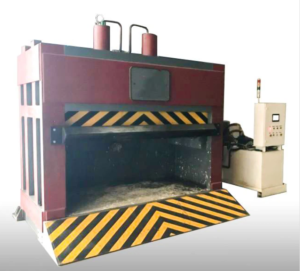
SMI has been manufacturing and supplying aluminium dross recycling machines to primary smelters, secondary smelters and metal recycling operations worldwide for over 30 years. Equipment is supplied under the SMI brand, under OEM arrangements, or under the customer’s preferred brand identity — configuration, capacity and branding are all subject to customer specification. The image below shows one such installation, supplied to customer specification.

SMI Aluminium Dross Recycling Machine
Aluminium Dross Recycling Machine — hydraulic dross press with integrated cooling system, supplied to customer specification.

What the Machine Does — The Operational Reality

Hot aluminium dross skimmed from the furnace is not waste. It contains significant free metal — the exact proportion depends on furnace type, alloy, operating practice and how quickly the dross reaches the press after skimming. Every minute of delay between skimming and pressing allows continued oxidation, converting recoverable aluminium into aluminium oxide at a rate that represents a direct production loss on every cast.

The dross recycling machine addresses this at the source. The automated press cycle — hydraulic head descent, compression at controlled pressure, forced cooling through the integrated cooling circuit, head retraction — processes a full pan of hot dross in a single cycle. No manual intervention is required during pressing. The output is a dense aluminium block with significantly reduced oxide content, ready for return to the furnace or casting line.

In-house metal recovery with a correctly configured dross press system is typically 20–35%, depending on operational conditions. The variables that most affect recovery rate in practice are the time elapsed between skimming and pressing, the condition of the press head and dross pan as a matched set, and the dross generation characteristics of the specific furnace operation.


How SMI Supplies Dross Recycling Machines

Standard SMI-Branded Systems

SMI supplies aluminium dross press systems under the SMI brand in three standard capacity configurations — SMI40, SMI60 and SMI80 — processing 250–700 kg of dross per pressing cycle. Full technical specifications, hydraulic component details and delivery terms are covered on the Aluminum Dross Press product page.

OEM Supply

SMI manufactures dross press systems for supply under OEM arrangements — where the equipment is integrated into a customer’s own product line, system package or project supply. OEM customers receive the same manufacturing quality and engineering support as direct SMI-branded supply, with configuration, capacity, labelling and documentation adapted to the OEM customer’s requirements. NDA-based supply is standard practice for OEM engagements.

Custom-Branded and Customer-Specified Equipment

Where a customer operates under their own equipment brand, or has specific requirements for branding, colour, control system interface or documentation language, SMI accommodates these requirements as part of the supply specification. Custom-branded dross press systems have been supplied to aluminium operations across multiple regions — the equipment in service carries the customer’s identity; the engineering and manufacturing capability behind it is SMI’s.

Configured to Your Operation

No two casthouse installations are identical. SMI dross recycling machine configurations take into account the full operational context of each installation — furnace type and capacity, dross generation rate, material handling constraints, available utilities and the dross characteristics specific to each operation. The press head and dross pan combination is specified as a matched set for each installation, as this pairing has the largest single impact on achievable recovery rate.


Dross Press as Part of a Complete Recovery Line

The dross press is the first and most critical stage in aluminium dross recovery — but it is not the only stage. Pressed dross still contains residual metal in the form of fine aluminium particles within the oxide matrix. A complete recovery line processes this residual material through controlled cooling, ball mill crushing and multi-stage vibrating screen separation, producing three separated fractions: metal-rich particles returned to the furnace, intermediate material recycled through the press, and fine aluminium oxide powder for industrial resale.

SMI supplies the complete downstream processing line as well as the dross press stage. For operations building out their dross recovery capability in stages, individual equipment items — cooling unit, ball mill, screening system — can be added progressively. Details of the downstream processing equipment are covered on the Aluminum Dross Recycling Systems page.


Upgrade and Replacement Supply

For operations with existing dross press installations — whether SMI-supplied or from other manufacturers — SMI provides replacement and upgrade supply across the consumable and component range. The press head (cooling head) and dross pan set are the components that most directly determine ongoing recovery performance and are the most common upgrade focus in existing installations.

Where the press frame is serviceable but recovery performance has declined, targeted component replacement typically delivers a measurable improvement without the capital requirement of full system replacement. Third-party press frame adaptations are subject to engineering review before supply confirmation — hydraulic output, control parameters and commissioning requirements vary between press manufacturers and must be confirmed before a compatible replacement head can be specified.


Application Sectors

  • Primary aluminium smelters
  • Secondary aluminium smelters and refineries
  • Aluminium rod, billet and bar plants
  • Metal recycling and non-ferrous scrap processing plants
  • Aluminium die casting and foundry operations
  • OEM equipment integrators and aluminium plant system suppliers

Global Supply and Service

SMI has been supplying aluminium dross recycling machines and casthouse consumables since 1996, with over 30 years of manufacturing and export experience across legal entities in mainland China, Hong Kong, Southeast Asia, Europe and the United States. SMI dross press equipment is in active service at primary and secondary aluminium smelters across the Middle East, Europe, India, North America and Asia-Pacific, including multiple operations within the world’s highest-output primary aluminium production groups.

Equipment is supplied as complete systems with on-site installation and commissioning support. Replacement consumables — press heads, dross pan sets — are held in stock for common configurations and dispatched on short lead times. All supply relationships are subject to confidentiality agreements. Reference accounts are available to qualified buyers under appropriate confidentiality terms.


Related Products — Complete Dross Management from SMI

  • Aluminum Dross Press — SMI40, SMI60, SMI80 specifications and delivery details
  • Dross Press Cooling Head — cooled and uncooled variants, all geometries
  • Dross Press Equipment Overview — system configurations and upgrade options
  • Dross Skim Pans and Sow Moulds — matched pan-and-head sets
  • Aluminum Dross Cooling Pan — post-press salt cake and dross cooling unit
  • DCU Dross Compression Unit — dross press in operation, video
  • Aluminum Dross Recycling Systems — complete downstream processing line
  • Alloy Steel Sow Moulds

Request a Quotation or Technical Consultation

To discuss dross recycling machine requirements — standard SMI-branded systems, OEM supply, or custom-configured equipment — please contact SMI with the following information:

  • Operation type: primary smelter / secondary smelter / recycling plant / OEM integrator
  • Furnace type and approximate dross generation rate per shift
  • Dross type: dry / wet / black / white / salt / rotary furnace
  • Supply requirement: complete system / replacement components / OEM arrangement
  • Branding and documentation requirements if applicable

SMI will respond with a written technical recommendation and commercial proposal. Contact SMI — Aluminium Dross Recycling Machine Enquiry →

Share this:

  • Share on LinkedIn (Opens in new window) LinkedIn
  • Share on Pinterest (Opens in new window) Pinterest
  • Share on Facebook (Opens in new window) Facebook
  • Share on X (Opens in new window) X
  • Share on WhatsApp (Opens in new window) WhatsApp
  • Share on Reddit (Opens in new window) Reddit
  • Share on Tumblr (Opens in new window) Tumblr
  • Share on Telegram (Opens in new window) Telegram
  • Email a link to a friend (Opens in new window) Email

Filed Under: Dross Management Tagged With: aluminium dross, aluminium recycling, dross processing equipment, dross recycling, metal recovery

Primary Sidebar

  • Home
  • About Us
  • Industries We Serve
    • SMI Products Overview
      • SMI Special Steel Products 01
      • SMI Special Steel Products 02
      • SMI Metal Recycling
      • NDT (Non Destructive Testing) service
  • Capabilities
    • Truck & Trailer Parts
      • R-Series weight distribution hitch with sway control system
      • G-Series weight distribution hitch
    • Cement Machinery Wear Parts
      • Casting Balls & Grinding Balls
    • Mining Machinery Wear Parts
      • Cone Crusher Parts
      • Jaw Crusher Parts
      • Screener Wear Parts
      • Impact Crusher Parts
    • Aluminum Industry
      • Aluminum Dross Press
      • Aluminum Dross Cooling Pan
      • Alloy Steel Sow Mold
      • Aluminum Dross Skim Blades and Skim Tools
      • Aluminum Furnace Skimming Tool or Skim blades used for Stirring and Mixing
      • Dross Press & Dross Processing
      • Application of Intelligent Ladle Slag Scraper (Skimming Tools) in steel mills and aluminum mills
      • Transmission Parts
      • The correct combination of the press head and the dross pan
      • 7-9kgs Small Standard Ingot Molds | Moldes de lingotes estándar pequeños de 7-9kgs
      • Comparison between Sow Molds and Ingot Molds
      • Aluminum Dross Transport Equipment
      • Aluminum Dross Recycling Systems
      • Aluminum, Magnesium, Brass, Bronze, Lead, Zinc Ingot Molds
      • Anode steel claw (Electrolytic claw) | Garra de acero del ánodo (garra electrolítica)
      • Anode Steel Yoke
  • eNews
  • Ethics & NDA
  • CSR
  • Contact Us

Footer

Customized Products & Services

Professional Aluminum & Magnesium plant equipment supplier from China.
Up to 4,000 metric tons of mechanical products annually.
More than 30 years’ manufacturing and export experience.
Serving Global Aluminum & Magnesium smelters and metal recycling industry since 1996.

Recent Products & Services

  • High-Performance Aluminum Ingot Molds: The Complete Selection Guide
  • Ingot Mold Failure Modes: Causes, Prevention & Lifespan Tips
  • Global OEM Supply Chain: Heavy-Duty Crusher Wear Parts Manufacturing
  • Low Temperature Threaded Check Valve VS Flanged Check Valve
  • Stainless Steel SS304 SS316 Investment Casting Wing Nut with Machining

Found favorite parts & services

Sino Machine Industries — Heavy Industry Supplier with 30 Years of Manufacturing Expertise in Aluminium, Crushing & Transmission Parts. Serving primary smelters, recycling plants and OEM clients across 30+ countries. Get a free quote: [[email protected]]
  • Home
  • Site Map
  • Privacy Policy
  • Terms of Use
  • Download Center
  • Ethics & NDA
  • CSR
  • Contact Us

Copyright © 2026 Sino Machine Industries (SMI) Serving Global Machinery Markets Since 1996

Loading Comments...

You must be logged in to post a comment.